
Private AI, Inside the Perimeter
The reflexive objection to AI in a sensitive environment is that using it means sending your data to a vendor's cloud. For hosted frontier models, that's true. But it's no longer the only option, and treating it as one leaves real capability on the table.
Open-weight language models — downloaded once, run on your own hardware — never phone home. The inference happens on a box you control, on a network you control, with no egress required. For teams that have written off AI on data-sovereignty grounds, that changes the calculation.
What "inside the perimeter" buys you
- No data egress. Prompts and outputs never leave your network. Air-gap the inference host and it stays that way by construction, not by policy.
- Deterministic availability. Your capability doesn't depend on a vendor's uptime, rate limits, or a working uplink. It runs whether or not the WAN is up.
- Auditability. You own the model weights and the logs. There's no opaque third-party you have to take on trust.
The goal isn't to reject hosted AI. It's to have an option that fits environments where "just send it to the cloud" was never going to pass review.
The architecture, briefly
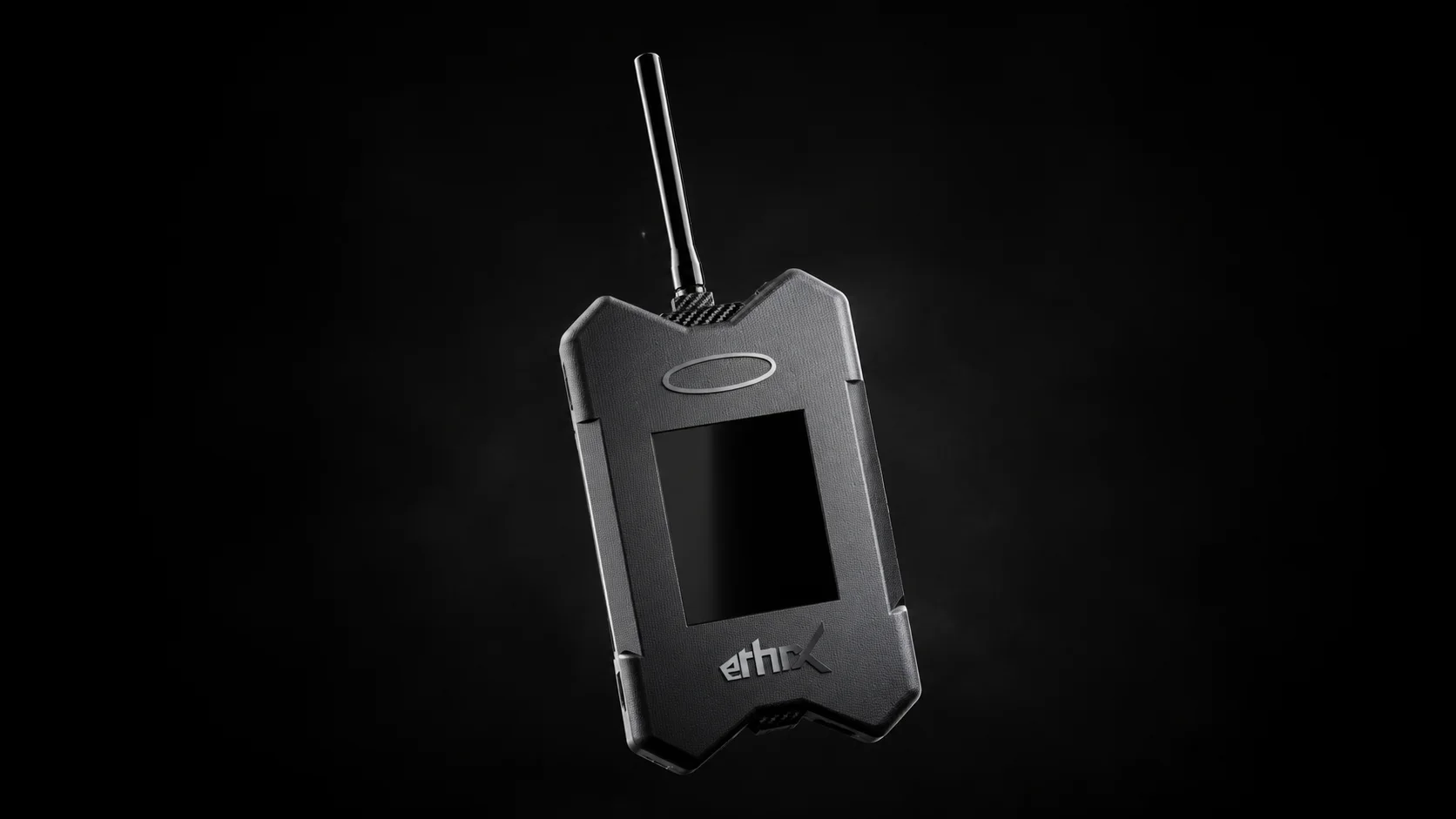
Right-size the hardware to the model, put inference behind your existing zero-trust boundaries, and expose it only to the segments that need it. DRAGON packages exactly this pattern for network operators — the model runs on-device, grounded in your own evidence, with no egress.
The ML integrations practice exists to make that deployment boring: the model, the hardware, and the security boundary delivered as one working system instead of a research project.